The Volkswagen Tayron replaces the Tiguan Allspace with a new name and subtle design changes. Built on the same MQB Evo platform as the Tiguan, it adds 22cm in length and offers optional seven seats. We analyzed 8 YouTube reviews totaling over 1.3 million views to find out if this family SUV delivers on its promises.
Key Specifications
| Spec | Details |
|---|---|
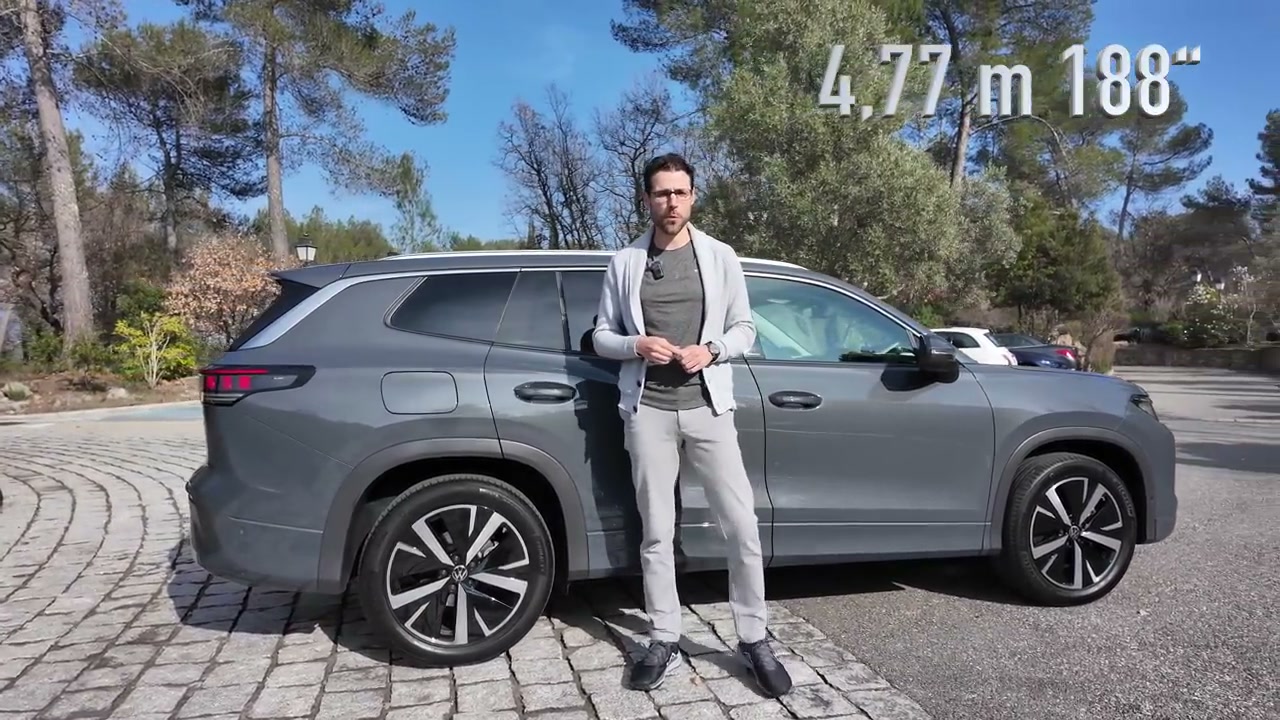
| Length | 4.77m (22cm longer than Tiguan) |
| Wheelbase | 2.79m (11cm longer than Tiguan) |
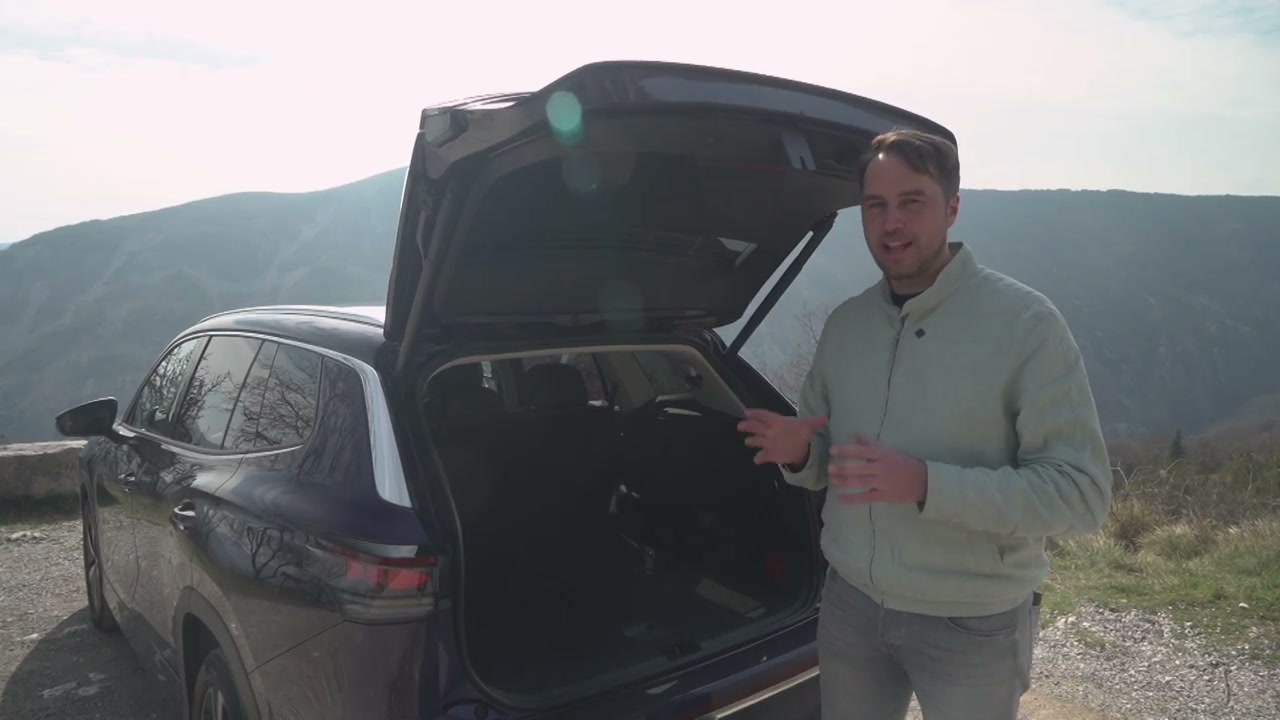
| Boot Capacity | 345L (7 seats up), 850L (5 seats), 1,905L (all seats folded) |
| Seating | 5 or 7 seats (PHEV: 5 only) |
| Engines | 1.5 TSI (150hp), 2.0 TSI (204/265hp), 2.0 TDI (150hp), PHEV (204/272hp) |
| Towing Capacity | Up to 2.5 tonnes (AWD models) |
| Starting Price | ~£40,130 / €45,575 |
What Reviewers Agree On
Reading this article: Numbers like [6/8 reviewers] indicate how many of the 8 reviewers mentioned each point. ★ marks near-unanimous consensus (80%+).
Interior Space and Practicality
- [8/8 reviewers] ★ Second-row space is excellent with generous legroom, headroom, and sliding seats
- [7/8 reviewers] ★ Boot capacity impresses, especially with seats folded (up to 1,905L)
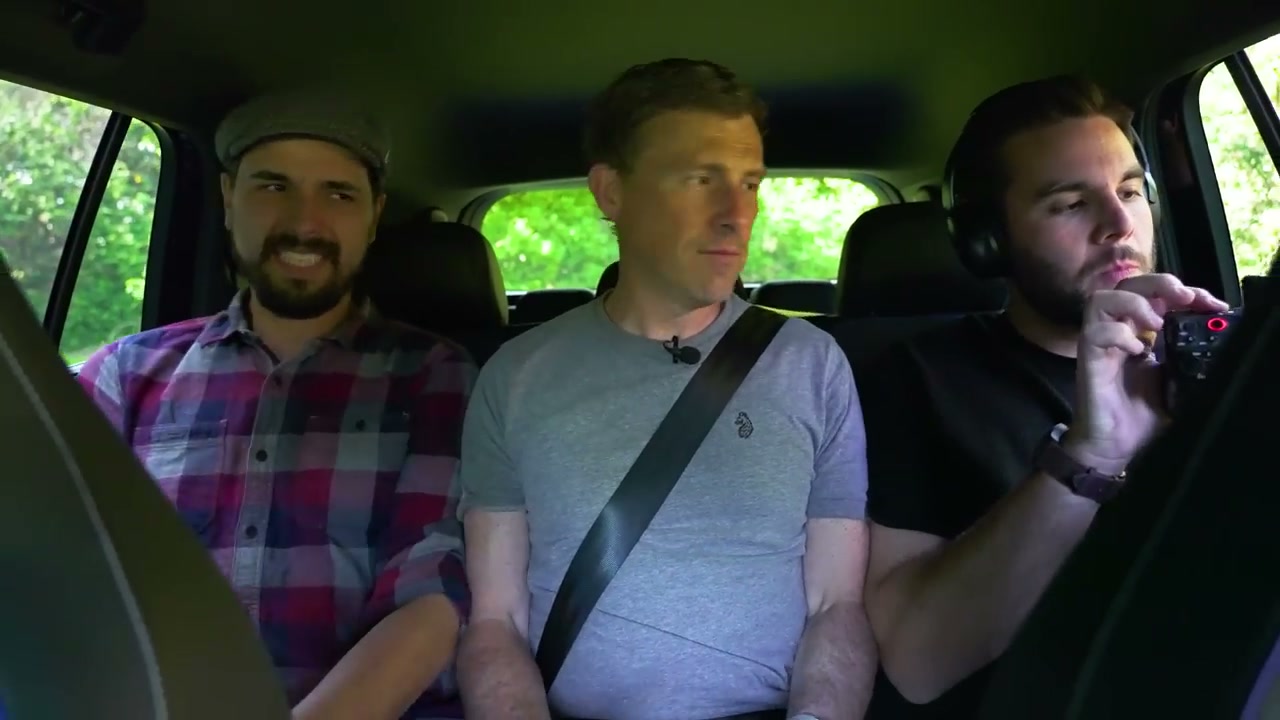
- [6/8 reviewers] Third-row seats are only suitable for children—adults will struggle with legroom and headroom
- [5/8 reviewers] The sliding second row adds flexibility for balancing passenger space and cargo
Build Quality and Materials
- [7/8 reviewers] ★ Interior quality feels premium with soft-touch materials on upper surfaces
- [6/8 reviewers] Door bins are large and felt-lined to prevent rattling
- [4/8 reviewers] Lower cabin areas use harder plastics, though this is typical for the class
- [3/8 reviewers] R-Line trim adds Alcantara-style materials and sportier aesthetics
Driving Experience
- [7/8 reviewers] ★ Ride comfort is excellent, especially with optional adaptive DCC suspension
- [6/8 reviewers] Cabin is impressively quiet thanks to acoustic laminated glass
- [5/8 reviewers] Handling is composed for a large SUV with controlled body roll
- [4/8 reviewers] The 1.5 TSI base engine feels adequate but works hard when fully loaded
Technology and Controls
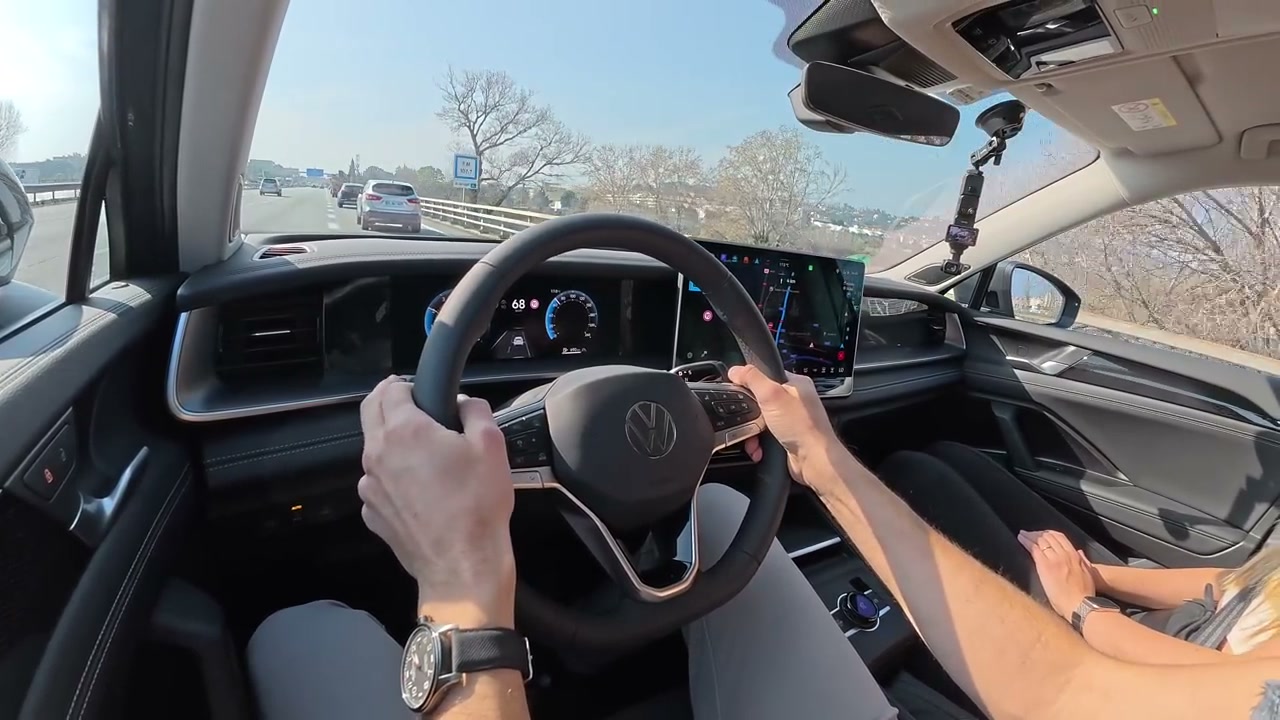
- [6/8 reviewers] Physical buttons returning to the steering wheel is a welcome improvement over previous touch-sensitive controls
- [5/8 reviewers] The infotainment system works but can feel laggy and requires too many taps for simple functions
- [5/8 reviewers] Climate controls via sliders/touchscreen remain frustrating compared to physical dials
- [4/8 reviewers] Wireless Apple CarPlay and Android Auto come standard
Where Opinions Differ
Base Engine Adequacy
- Positive [3/8]: The 1.5 TSI provides enough power for daily driving and offers good fuel economy
- Critical [4/8]: The 150hp engine struggles with a fully loaded vehicle; upgrading to the 2.0 TDI or TSI recommended
- Mixed [1/8]: Acceptable for light use but not for towing or frequent highway driving
Reviewers testing solo found the base engine adequate, while those considering family use with full occupancy preferred more powerful options.
Value for Money
- Positive [4/8]: Pricing is competitive against rivals like the Hyundai Santa Fe and Kia Sorento
- Critical [3/8]: Options add up quickly; features like electric seats (£2,000) and adaptive suspension (£1,000) should be standard at this price
- Mixed [1/8]: Good value in base trim, but mid-spec Elegance offers the best balance
The split reflects different test vehicles—base-spec reviewers found value, while those in loaded R-Line editions questioned whether extras justified the £15,000+ premium.
Exterior Design
- Positive [4/8]: Clean, modern design that’s less polarizing than the Hyundai Santa Fe
- Critical [2/8]: Too similar to the Tiguan; the illuminated badges feel unnecessary
- Mixed [2/8]: Functional and inoffensive but lacks distinctive character
Auto Trader’s Rory Reid called out the “really big chin” dominating the front, while others appreciated the understated styling.
Pros
- [8/8 reviewers] ★ Excellent second-row space with sliding seats and ample headroom for tall adults
- [7/8 reviewers] ★ Massive boot capacity up to 1,905L with all seats folded
- [7/8 reviewers] ★ Comfortable ride quality even on larger 19-20” wheels
- [6/8 reviewers] Quiet cabin thanks to laminated glass insulation
- [6/8 reviewers] Physical steering wheel buttons replace frustrating touch-sensitive controls
- [5/8 reviewers] Strong engine choice including diesel, petrol, and PHEV options
- [5/8 reviewers] Good visibility with slim pillars and high seating position
- [4/8 reviewers] PHEV offers 70+ miles electric range with 50kW DC fast charging
- [3/8 reviewers] Standard rear sunblinds helpful for families with young children
- [2/8 reviewers] 2.5 tonne towing capacity (AWD models) beats many competitors
- [2/8 reviewers] Dual wireless phone chargers with cooling vents
Cons
- [6/8 reviewers] Third-row seats too cramped for adults—limited legroom, headroom, and low seat position
- [5/8 reviewers] Climate controls via touchscreen remain fiddly compared to physical dials
- [5/8 reviewers] Options expensive—electric seats, adaptive suspension, and matrix LEDs add thousands
- [4/8 reviewers] Base 1.5 TSI lacks punch when fully loaded or towing
- [4/8 reviewers] Infotainment can be slow with occasional lag
- [3/8 reviewers] No electric seat adjustment as standard even on mid-spec models
- [3/8 reviewers] PHEV only available as 5-seater—battery eliminates third-row option
- [2/8 reviewers] Paint quality issues—Carwow noted significant orange peel on their test car
- [2/8 reviewers] Three-year warranty falls short of Kia’s seven years
- [2/8 reviewers] Large transmission tunnel makes center rear seat less comfortable
- [1/8 reviewers] Speed limit recognition errors reported by Carwow
Verdict
The VW Tayron succeeds as a practical family SUV with genuine strengths in second-row space, boot capacity, and ride comfort. The return of physical steering wheel buttons and excellent noise insulation make it pleasant for long journeys.
However, buyers expecting proper adult seating in the third row will be disappointed—this remains a “5+2” rather than a true seven-seater. The PHEV’s loss of third-row capability is a significant trade-off for families. Price escalation through options also frustrates; budget an extra £3,000-5,000 for essentials like adaptive suspension and matrix headlights.
For families needing occasional extra seats for children, the Tayron delivers. Those requiring regular adult third-row use should look at the larger Hyundai Santa Fe. If seven seats aren’t essential, the shorter Tiguan offers nearly identical interior quality for less money.