%22%2F%3E%0A%20%20%3Cpolygon%20points%3D%2248%2C35%2048%2C85%2088%2C60%22%20fill%3D%22white%22%2F%3E%0A%3C%2Fsvg%3E%0A)
Introduction
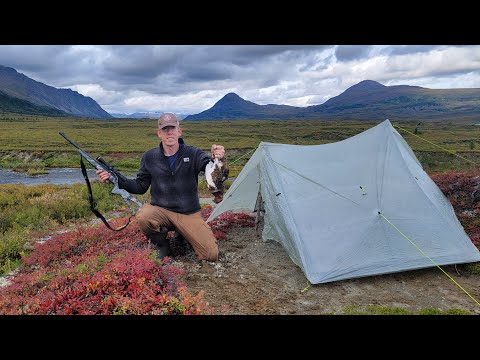
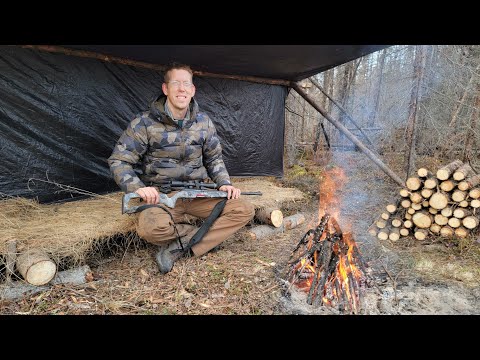
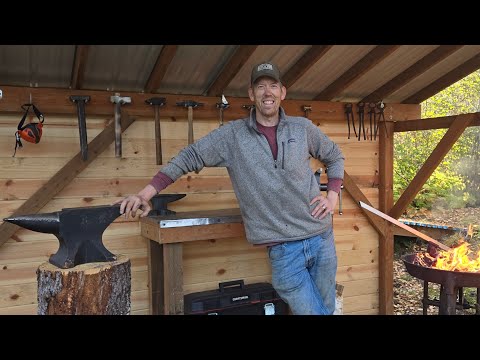
Luke, the creator behind Outdoor Boys, has spent over 11 years documenting wilderness adventures in Alaska’s harsh interior. A father of three boys, he combines extreme solo survival camping with family-friendly outdoor education. His content spans sleeping in -30°F temperatures without tents, building bushcraft shelters, forging knives in the wilderness, and teaching his sons (as young as 5) to camp in challenging conditions. Luke’s practical, no-nonsense approach comes from decades of Alaskan living and hundreds of nights spent in survival situations.
Core Beliefs
Preparation and Adaptation
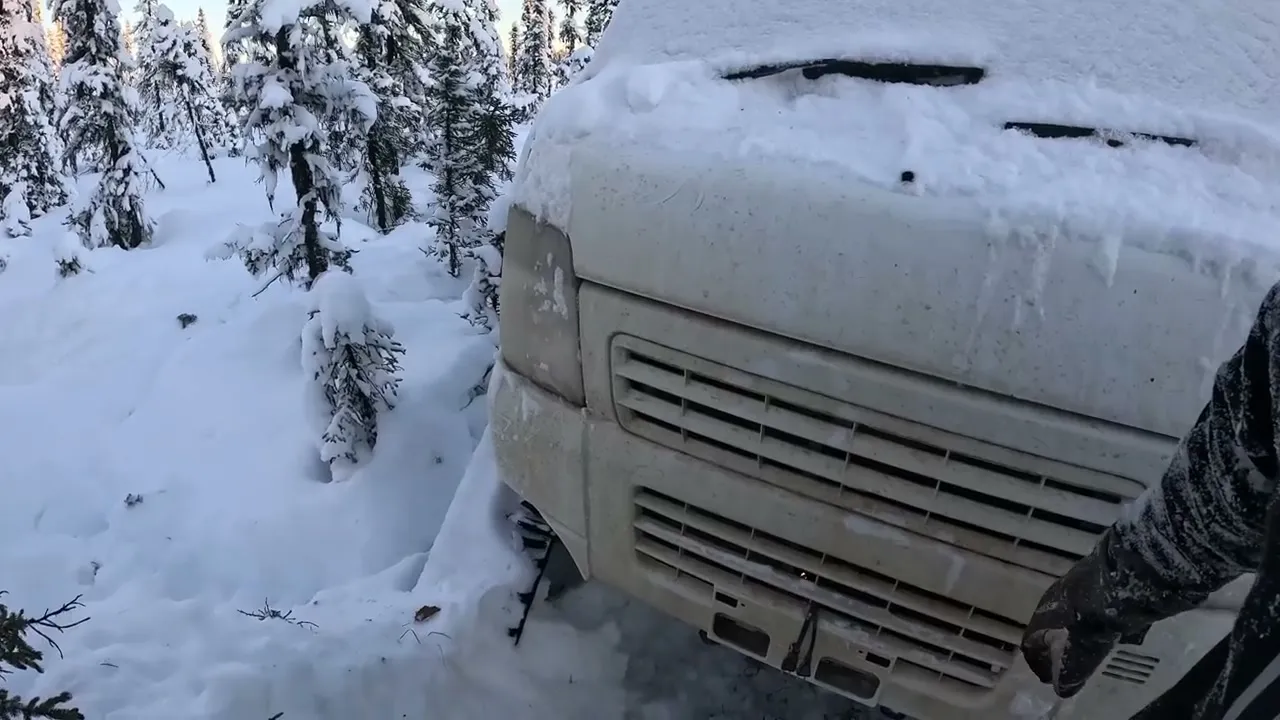
- [mentioned in 16/18 videos] ★ Equipment failure is inevitable—always have backup plans and improvisation skills. Luke regularly deals with broken chainsaws, dead batteries, stuck vehicles, and collapsed shelters, treating each as a normal part of wilderness life.
- [mentioned in 14/18 videos] ★ Disasters happen when multiple things go wrong simultaneously. “It was totally the right call to go home. Every muscle of my body was sore, I was dehydrated… disasters rarely happen because one thing goes wrong.”
- [mentioned in 12/18 videos] Drying wet gear before sleep is non-negotiable. Wet socks, boots, and gloves are mentioned repeatedly as serious cold-weather hazards.
- [mentioned in 10/18 videos] Always verify your vehicle starts before extinguishing your fire when winter camping.
Shelter and Heat Management
- [mentioned in 15/18 videos] ★ Fire placement and heat reflection matter more than shelter complexity. Heat reflector walls behind fires absorb and radiate warmth while blocking smoke.
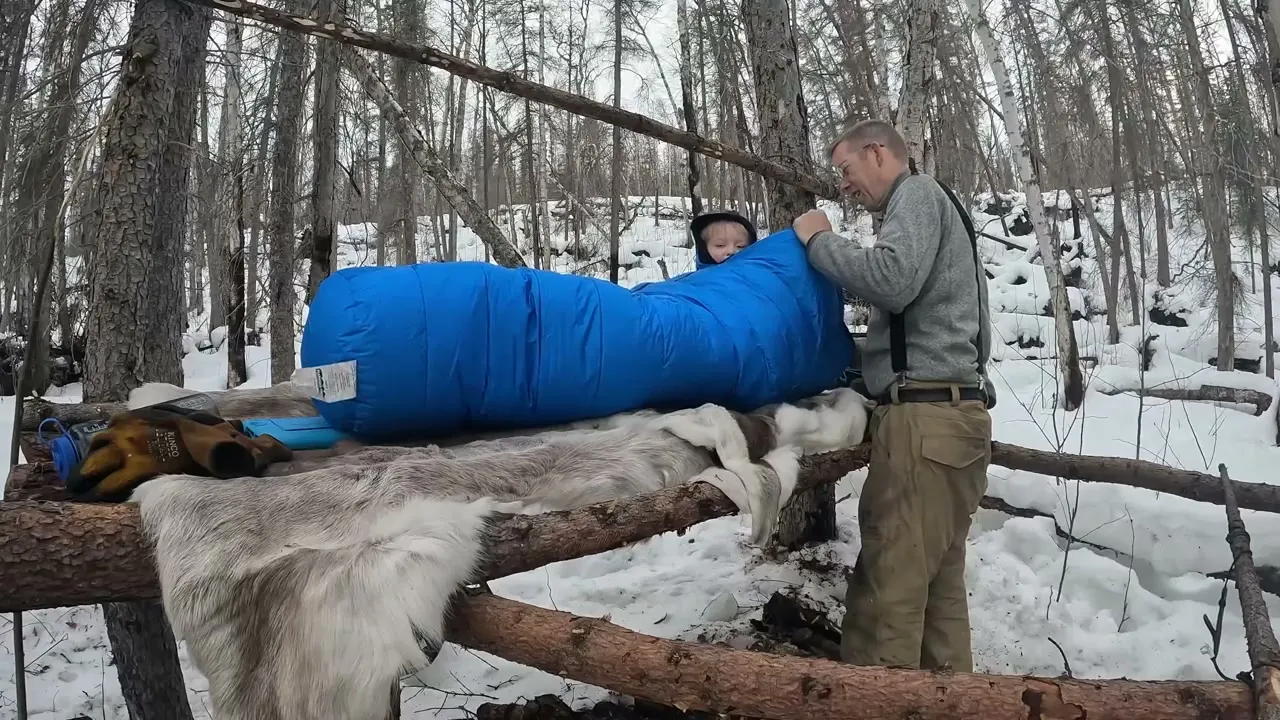
- [mentioned in 12/18 videos] ★ Elevate your bed above the heat source—heat rises, so sleeping platforms should be at or above fire level for maximum warmth.
- [mentioned in 11/18 videos] The ground will steal your heat faster than cold air. Insulation from below (caribou hides, elevated platforms) is critical.
- [mentioned in 8/18 videos] Snow shelters naturally maintain 15-20°F warmer than outside air, but require proper entrance orientation to block wind.
- [mentioned in 7/18 videos] Hot rocks provide minimal sustained warmth—they cool within 30-40 minutes and aren’t worth the effort for overnight heating.
Food and Sustenance
- [mentioned in 14/18 videos] ★ Good food transforms camping from survival into enjoyment. Luke consistently prepares elaborate meals: king crab legs, lamb shanks, Philly cheesesteaks, moose ribs with blueberry sauce.
- [mentioned in 10/18 videos] Flour, beans, and rice are the ultimate survival foods—lightweight, non-perishable, calorie-dense.
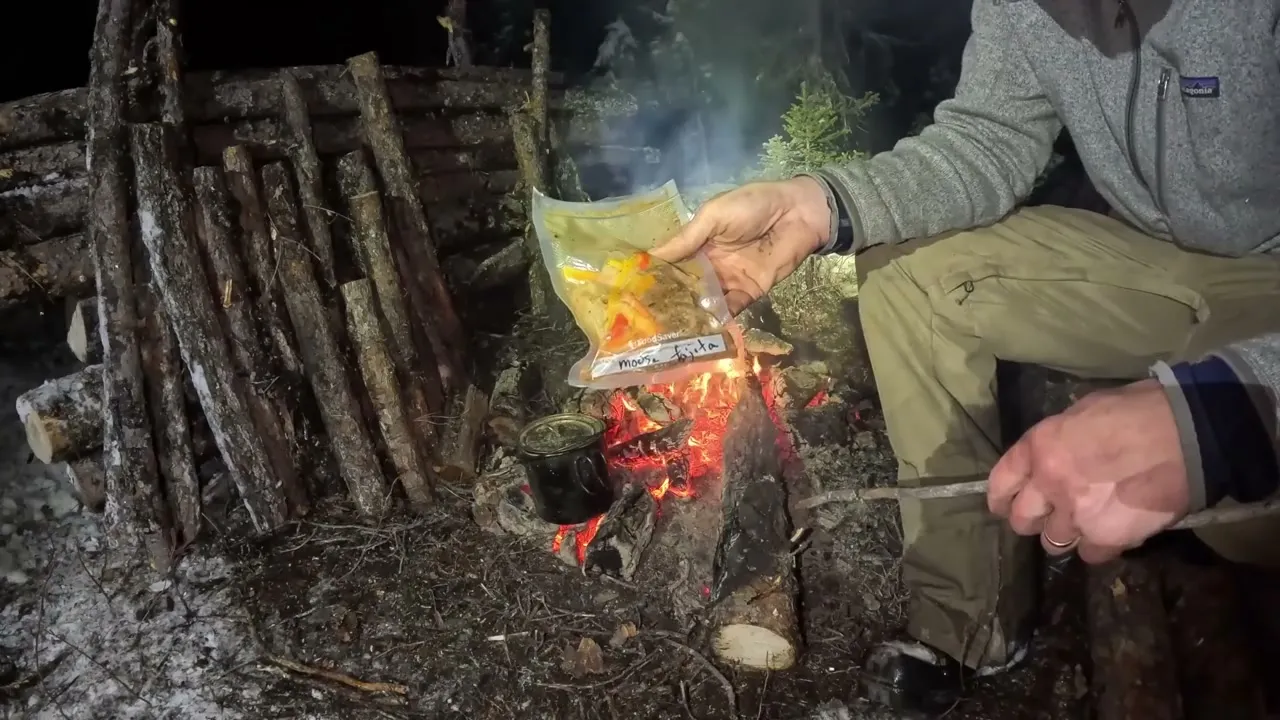
- [mentioned in 9/18 videos] Vacuum-sealing and freezing home-cooked meals eliminates the disadvantages of dehydrated camping food with no weight penalty in winter.
- [mentioned in 8/18 videos] Foraging supplements meals significantly—crowberries, blueberries, rose hips, and wild game are consistently gathered.
Teaching Children Outdoor Skills
- [mentioned in 6/18 videos] Never skimp on children’s sleeping bags—“if all else fails, you can always put them in their sleeping bag” to solve cold or tired kids.
- [mentioned in 5/18 videos] Let children contribute meaningfully at their ability level—5-year-old Jacob shovels snow, helps with firewood, and participates in fishing.
- [mentioned in 4/18 videos] Address fears honestly and calmly. When Jacob worried about wolves, Luke explained they fear humans and fire, then asked “Do you believe Daddy?” accepting “No” as a valid answer.

Environmental Awareness
- [mentioned in 12/18 videos] The Japanese spruce bark beetle has devastated Alaskan forests—most visible dead trees are beetle-killed, creating abundant building material but massive fire hazards.
- [mentioned in 8/18 videos] Animal tracks tell stories—Luke reads moose beds, wolf patrols, caribou migrations, and ptarmigan feeding patterns to understand the landscape.
- [mentioned in 6/18 videos] Stay on ridges when navigating wilderness—better visibility, easier walking, and following game trails that other animals use.
Key Advice
- [mentioned in 15/18 videos] ★ Bring 5-10 pounds of lights and batteries for Alaska’s 17-18 hours of winter darkness. Multiple redundant light sources are essential.
- [mentioned in 14/18 videos] ★ Keep water bottles near fire or in sleeping bags to prevent freezing. Frozen water bottles are useless and dangerous.
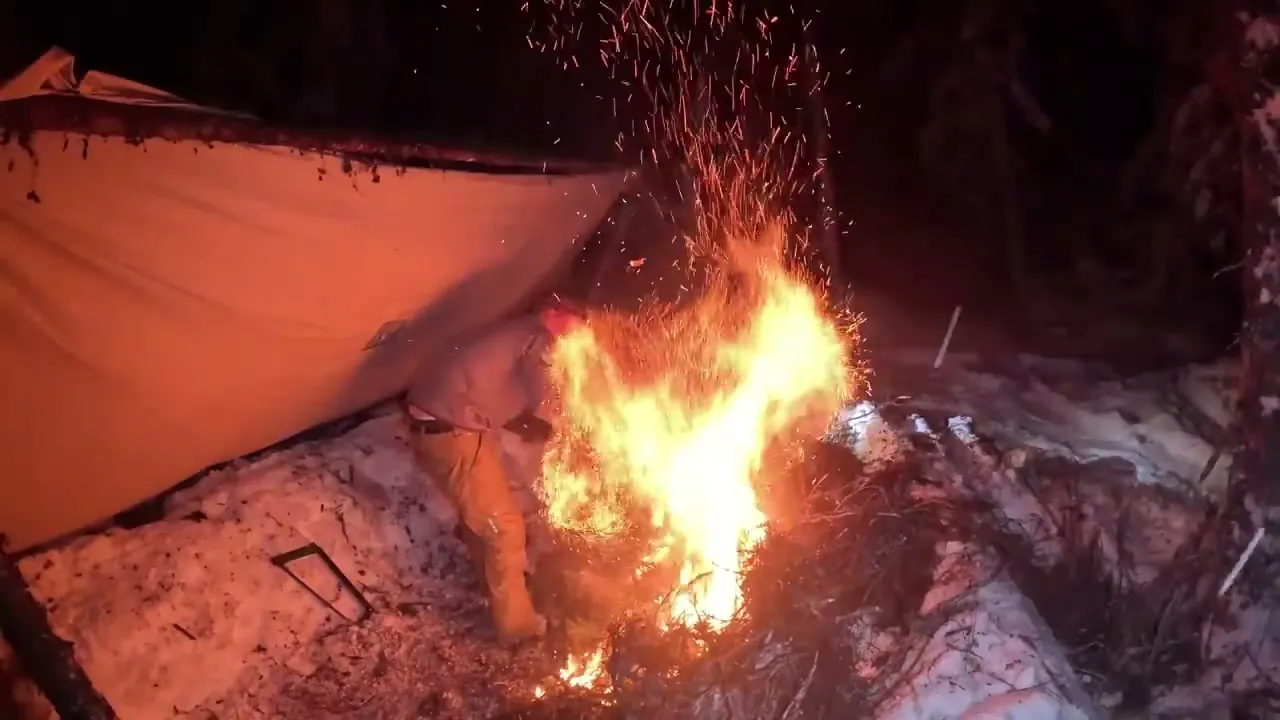
- [mentioned in 12/18 videos] ★ Prop wet firewood around the fire to dry before burning—everything in Alaska is covered in ice and snow.
- [mentioned in 11/18 videos] Use caribou hides for ground insulation—hollow hairs trap air and provide warmth and cushioning.
- [mentioned in 10/18 videos] Put wet socks in the bottom of your sleeping bag to dry overnight using body heat.
- [mentioned in 9/18 videos] Flint and steel beats lighters in extreme cold—always put them away immediately after use to avoid losing them in snow.
- [mentioned in 8/18 videos] Use antler or wood hand-lines instead of fishing rods for large fish through ice—faster fish landing and less breakage.
- [mentioned in 7/18 videos] Keep a gasoline stove for emergencies—alcohol burns clean enough for tent use; butane and propane fail in extreme cold.
Common Misconceptions They Address
- Misconception: River rocks will explode in fires → Reality: [mentioned in 3/18 videos] “Sometimes they do, sometimes they don’t”—Luke uses them regularly with caution.
- Misconception: Hot rocks keep you warm all night → Reality: [mentioned in 2/18 videos] Rocks cool within 30-40 minutes and are “honestly not very useful” without insulation.
- Misconception: Elaborate shelters are necessary → Reality: [mentioned in 10/18 videos] Simple designs with proper fire placement and heat reflection outperform complex structures.
- Misconception: You need expensive gear → Reality: [mentioned in 6/18 videos] Luke uses homemade griddles, cow horn mugs, and improvised tools alongside quality essentials.
- Misconception: Wild meat tastes gamey → Reality: [mentioned in 4/18 videos] “The vinegar really helped tone down the gamey flavor”—proper preparation makes wild game delicious.
Who Should Follow This Creator
Ideal audience:
- Intermediate to advanced outdoor enthusiasts interested in cold-weather camping
- Parents wanting to introduce children to wilderness skills progressively
- Viewers fascinated by Alaskan subsistence lifestyle and traditional skills
- Bushcraft enthusiasts seeking practical, tested techniques over theoretical knowledge
May not suit:
- Complete beginners seeking step-by-step instructional content (Luke assumes baseline competence)
- Viewers uncomfortable with hunting, fishing, and animal processing
- Those seeking ultralight or minimalist approaches (Luke prioritizes comfort and good food over weight savings)
Content Style
Format: Long-form videos (15-45 minutes) documenting multi-day trips in real-time, showing failures and problem-solving alongside successes.
Presentation: Conversational and unhurried. Luke narrates his thought process, explains why things go wrong, and shares the unglamorous reality of equipment failures and physical exhaustion.
Production: Solo filming with multiple GoPros and handheld cameras. Quality varies with conditions—frozen cameras, lost footage, and equipment damage are shown honestly.
Research basis: Entirely experience-based. Luke rarely cites external sources, instead teaching through demonstration and accumulated trial-and-error from hundreds of wilderness nights.
Unique elements: Family integration (sons appear ages 5-16), cultural exchange with Alaska Native communities, and traditional skills like blacksmithing, hide tanning, and atlalt spear hunting alongside modern equipment.